Limousine Safety: What You Should Know Before Booking
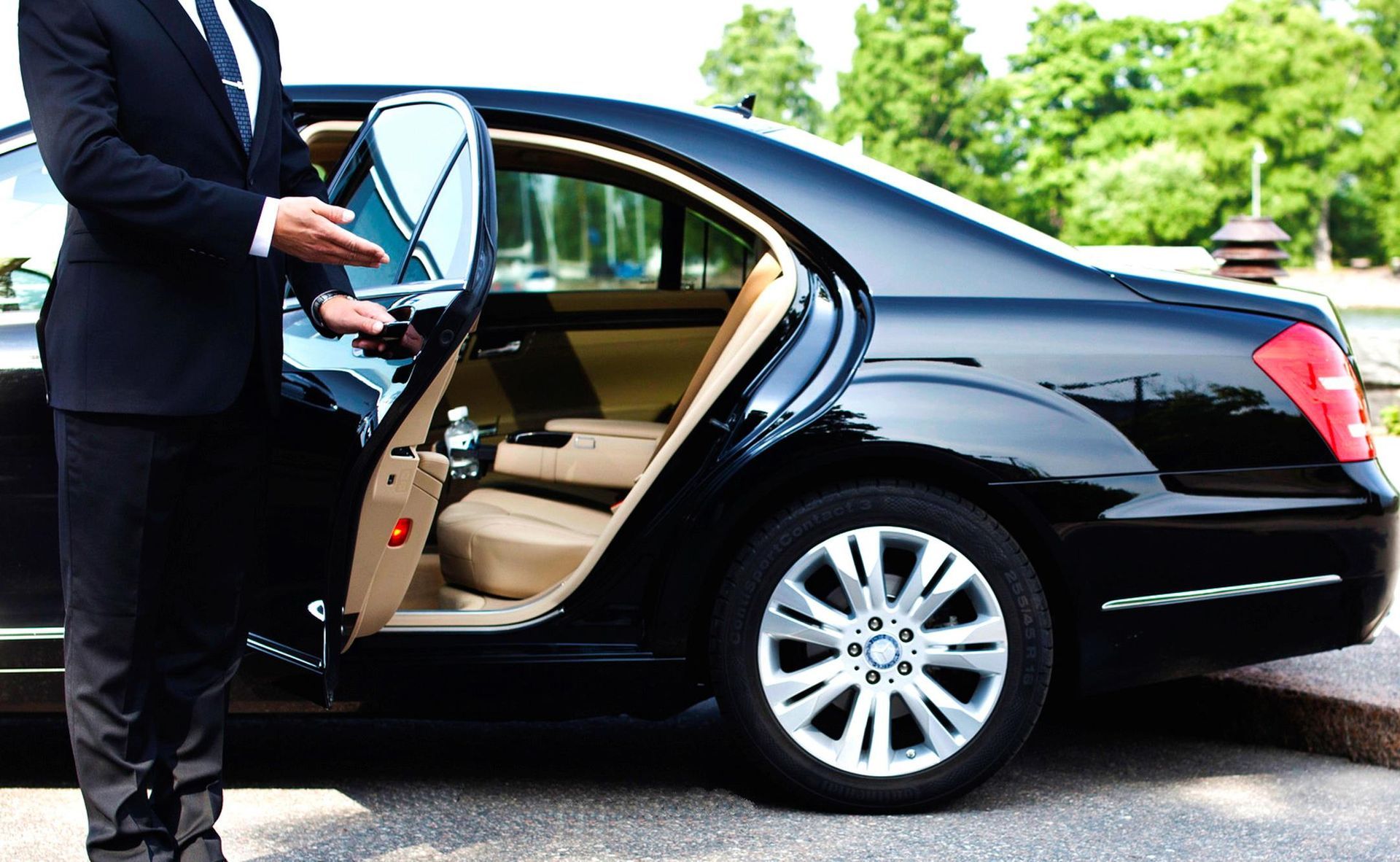
Choosing a limousine and luxury ground transportation service is about more than style, comfort, or making a statement. Safety remains a vital factor in every journey, from special occasions and corporate travel to meaningful personal commitments. From the initial booking process to final arrival, every aspect should contribute to passenger confidence and reassurance. As professionals in this industry, we believe informed clients make better decisions and enjoy a more confident travel experience.
At Limo Affair, safety is not a single feature but a mindset that guides how we operate every day. We appreciate that passengers rely on us for their safety and comfort, and we treat that responsibility with the utmost seriousness. Being aware of key safety factors before booking helps passengers ensure their choice reflects strong safety standards. This guide highlights important limousine safety considerations to support informed and confident booking decisions.
Understanding Licensing and Regulatory Compliance
Licensing and regulatory compliance form the foundation of safe limousine and luxury ground transportation service operations. Proper credentials demonstrate that a company follows established industry rules designed to protect passengers. These regulations often cover driver qualifications, vehicle standards, and operational practices that promote consistent service quality. Keeping licenses current demonstrates a continued dedication to professionalism and responsibility. Passengers gain peace of mind knowing these standards are mandatory and built into daily operations.
Regulatory compliance also ensures that vehicles are authorized for commercial use and maintained according to specific guidelines. This oversight reduces risks associated with unqualified operators or improperly registered vehicles. Companies with proper licensing are reviewed through inspections that copyright safety requirements. Such procedures support trust and consistency, which are vital in premium transportation. Selecting a provider that prioritizes compliance gives passengers confidence before their journey begins.
Professional Chauffeur Screening and Training
The safety of passengers relies heavily on chauffeurs, making education and screening a top priority. Qualified chauffeurs complete comprehensive background screenings to meet high standards of trust and accountability. In addition to credentials, training focuses on defensive driving, awareness, and composed decision-making. These abilities enable chauffeurs to handle changing conditions and unexpected events with confidence. Experienced and trained chauffeurs contribute to safer, smoother travel experiences.
Ongoing education is just as important as initial training. Regular refreshers keep website chauffeurs informed about updated safety practices and service expectations. This continuous improvement approach reinforces professionalism and consistency across every ride. Travelers benefit from professional courtesy, clear communication, and a calm driving approach. Trust grows when travelers know their chauffeur is prepared, attentive, and committed to safe transport.
Vehicle Selection and Safety Features
The type of vehicle used for limousine service directly impacts passenger safety. Premium vehicles are built with modern safety technologies that enhance protection. Such safety elements may consist of reinforced frames, modern brakes, and advanced restraints. Selecting vehicles that meet high safety benchmarks ensures reliability and performance on the road. Comfort and elegance are enhanced when safety is built into the design.
Interior safety features are crucial, especially when transporting multiple passengers. Safe seating layouts, sturdy handholds, and open pathways help prevent accidents during travel. Thoughtful vehicle configuration ensures stability and smooth passenger movement. Thoughtful vehicle selection reflects a commitment to both luxury and protection. Passengers can relax knowing their surroundings are engineered with care.
Routine Maintenance and Inspections
Ongoing vehicle maintenance forms the backbone of secure limousine transportation. Frequent vehicle checks uncover issues early to prevent disruptions or discomfort. Maintenance routines confirm that all key vehicle components operate safely and reliably. Taking a proactive stance reduces unforeseen interruptions and improves dependability. Well-maintained vehicles inspire confidence from the moment the journey begins.
Service records and accountability reinforce maintenance practices. Comprehensive maintenance logs offer transparency and monitor vehicle condition over time. Ongoing vehicle assessments cultivate accountability and meticulous attention. When maintenance is prioritized, vehicles deliver smoother rides and dependable operation. Safety is established as a continual standard rather than an emergency response.
Operational Policies That Support Passenger Safety
Clear operational policies create structure and consistency across all services. Rules govern how drivers communicate with passengers, adjust schedules, and handle unexpected changes. Standardized procedures reduce unpredictability and support organized operations. Built-in safety measures ensure daily choices prioritize passenger protection. Robust operational standards enable reliable, consistent service.
Clear communication plays a central role in operational efficiency. Chauffeurs and support teams coordinate to ensure timely arrivals and smooth transitions. Providing clear directions and expectations minimizes errors and enhances service quality. Following established protocols ensures consistent, secure service. Clients gain a stress-free ride thanks to structured and planned operations.
Safety Technology in Limousine Services
Advanced technology supports improved safety for limousine passengers. Modern GPS and navigation systems aid in efficient route planning and hazard awareness. Monitoring systems track vehicle function and encourage safe driving practices. Real-time data from these systems enables anticipatory decisions. Technology complements professional expertise to create a safer travel environment.
Safety monitoring also encourages accountability and continuous improvement. Trip data reveals patterns and highlights areas for operational enhancement. Collected data supports consistent quality and adherence to safety standards. When technology and training work together, passengers experience a well-coordinated journey. Confidence grows when systems are in place to support safety at every stage.
Shared Responsibility and Passenger Safety
Passenger safety is a shared responsibility that benefits from awareness and cooperation. Familiarity with safety protocols empowers travelers to act wisely. Basic behaviors, like staying seated, help maintain a safe environment. Open dialogue with drivers ensures everyone is on the same page. Passenger involvement helps make the ride safer and more efficient.
Respecting vehicle features and guidelines also supports safety. Using designated seating and following instructions promotes stability and comfort. Passengers who feel informed are more relaxed and confident throughout the trip. This collaborative approach reinforces trust between service providers and clients. Mutual dedication to safety makes the journey more enjoyable and secure.
Choosing Limousine Services Wisely
Booking a limousine service should involve thoughtful consideration of safety practices. Asking the right questions helps travelers understand how a company prioritizes protection. Openness regarding procedures, training, and upkeep signals responsible service. Knowing what to consider lessens uncertainty and ensures reassurance. Confidence begins with knowing what standards guide the service.
We provide travel experiences grounded in safety, trust, and comfort. Safety is central to every Limo Affair ride rather than being secondary. Knowing the safety measures in place helps travelers book with trust and peace of mind. Being informed allows passengers to relax and enjoy their journey fully.